
Workflow · 5 min read
How to make a product video for Instagram and TikTok
Start from a still, add motion, keep it short, and export in the right format for each platform.
Published · Updated
How to make product videos for Instagram: start from a still you would already publish, describe one camera move, and export a vertical clip for Reels. The same clip works for TikTok. You do not book a shoot for a five-second push-in. Make the clip with the AI video generator or, when the product must match a photo, with image to video. The longer technique is How to turn a product photo into a video.
Pick the right starting still
The clip will follow your image closely, so start with a still that is already strong — good lighting, clean background, sharp product edges. Avoid shots with motion blur or cluttered backgrounds; the model will carry those problems into the video. A lifestyle shot with one clear subject works better than a busy scene. Portrait orientation (or square) crops well for 9:16 delivery, so if you are generating the still first, choose a portrait or square aspect ratio before you animate it.
Choose a camera move that fits the product
Simple, smooth camera moves read better than complex ones on small screens. The most reliable options for products are a slow push-in, a gentle drift left or right, and a steady orbit. Avoid fast moves, cuts, or anything that obscures the product. Write the move in the prompt before you describe anything else — 'slow push-in toward the bottle' or 'gentle pan right revealing the label'. For a full list of moves and how to word them, see Image-to-video camera move prompts.
Keep it short
Instagram Reels and TikTok both favour clips under 15 seconds for new accounts. AI video generation is priced by duration, so a 5-second clip costs roughly half as much as a 10-second one. Start with 5 seconds, review the motion, and extend only if the pacing needs it. A single smooth camera move across 5 seconds is usually more effective than a longer clip with competing movements. You can loop a 5-second clip in your editing app to fill a 15-second slot if needed.
Add text and sound outside VisoLab
VisoLab generates the video clip. Captions, music, and transitions are added in your existing editing workflow — CapCut, Premiere, or the platform's native editor. Export the clip from VisoLab as an MP4 and import it. Keep the video itself clean and silent so you have full flexibility over sound. A product video does not need music baked in — the platform plays its own audio environment anyway.
Post and test
Post the video and watch the first 48-hour completion rate. If viewers drop off in the first two seconds, the opening frame is too static — try a version where the camera is already moving from frame one. If the completion rate is high but saves are low, the product is not legible enough — try a tighter crop or a slower pace. Each variation takes under ten minutes to generate, so iteration is fast.
Try it free
Make product photos and videos in VisoLab. Free credits to start — no studio day required.
Start free →FAQ
- What aspect ratio should I use for Instagram Reels?
- 9:16 (vertical, 1080×1920) is the native format for Reels. Instagram will accept other ratios but it crops them to 9:16 for the feed, often cutting off your subject. Generate or crop your starting still to portrait orientation first.
- Can I generate a 9:16 video directly in VisoLab?
- Yes. Set the aspect ratio to 9:16 when generating the starting image, then use that image as the start frame for image-to-video. The resulting clip will be vertical.
- How long should a TikTok product video be?
- TikTok recommends 7–15 seconds for product clips on new accounts. Clips under 10 seconds are easier to watch to completion, which helps the algorithm. Start with 5 seconds and extend if the product needs more time to read.
- Can I add voiceover or music?
- VisoLab generates silent video clips. Add voiceover, music, and captions in CapCut, Premiere, or the platform's native editor after export.
- What if the product moves unrealistically?
- AI video models can deform objects, especially at the edges. Keep the prompt simple, avoid describing the product itself moving, and use a camera move instead — the camera moves, the product stays still. If distortion persists, try a shorter clip duration or a different model.
- How much does a product video clip cost in credits?
- Video generation is priced by duration and model. See Pricing for current rates. A 5-second clip typically costs fewer credits than a 10-second one on the same model, so starting short is both faster to review and cheaper to iterate.
More guides

Workflow · 4 min read
From packshot to lifestyle scene
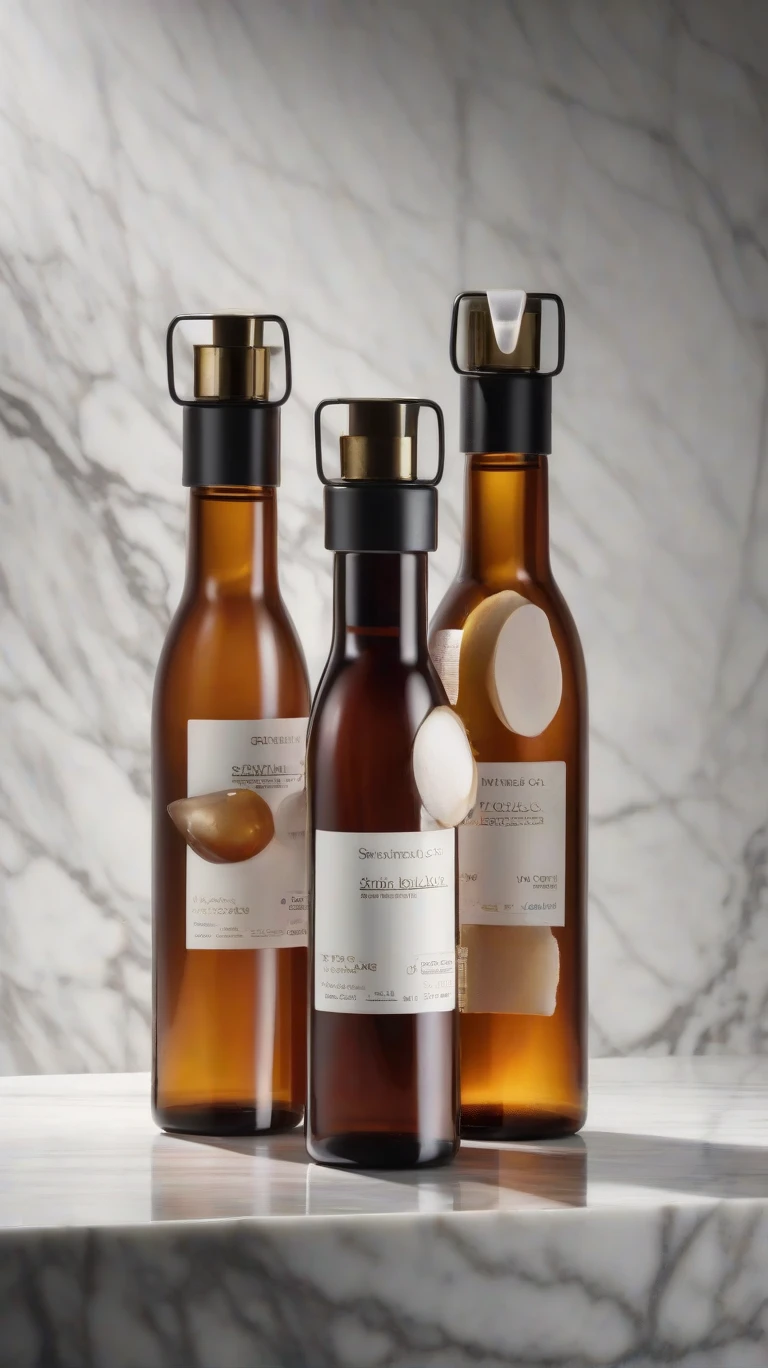
Keep the bottle the same. Change only the world around it.
Read guide →
Workflow · 4 min read
How to keep a product or character consistent with reference images
A reference image stops the model inventing the subject again. Approve one still, then prompt the new place, crop, or camera move.
Read guide →

Workflow · 4 min read
Image-to-video prompts for steady product shots
A short image-to-video clip works when the start frame is already right and the prompt asks for one simple camera move.
Read guide →